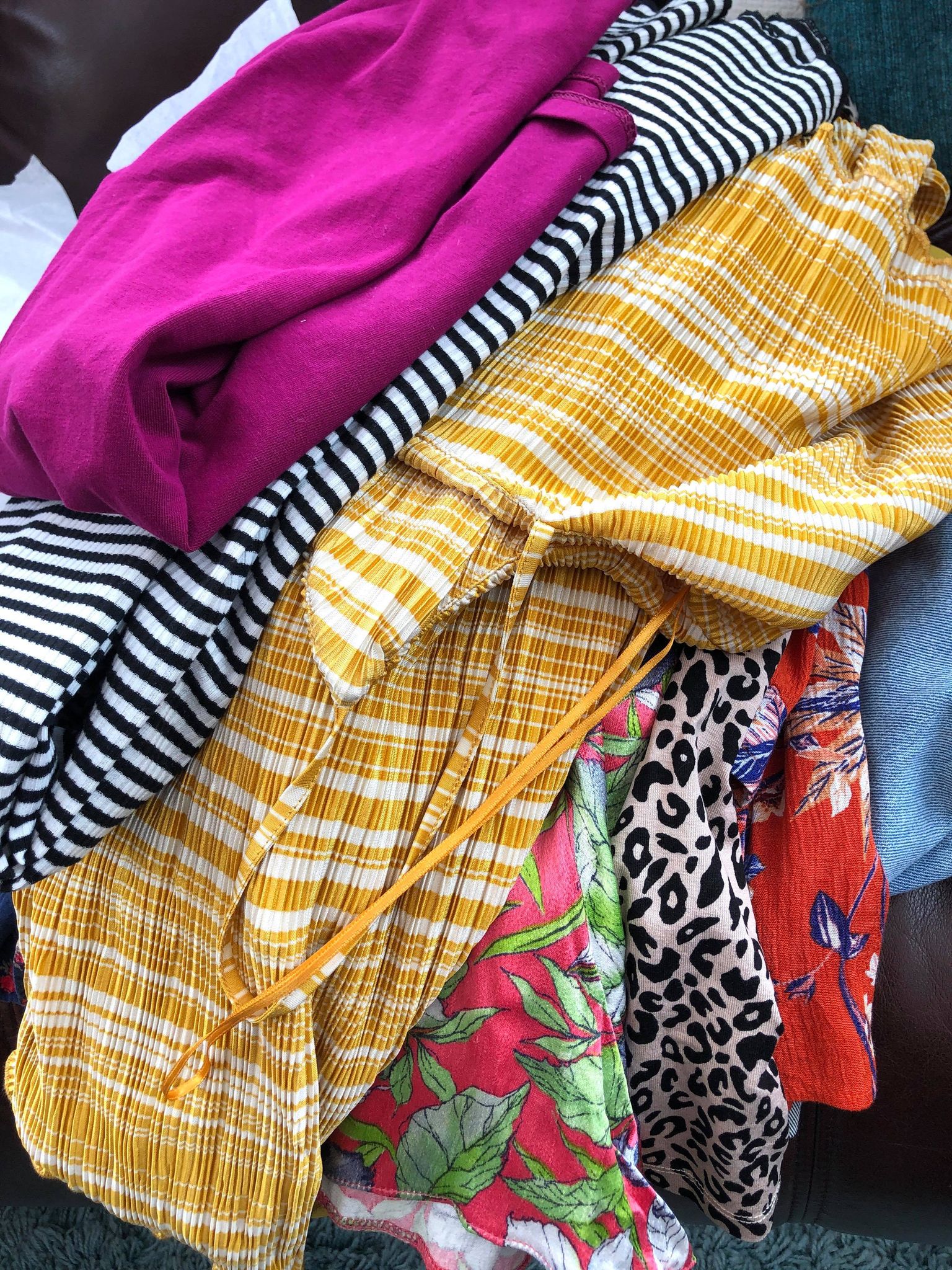
Hi everyone – The next in our series of blog posts is about MAKING CLOTHES LAST!
So we all know that reusing and recycling clothes for as long as possible reduces their environmental impact. Given that the fashion industry is one of the world’s biggest polluters, reusing clothes and making them last is an easy way to go greener, and this applies to cheap items as much as expensive ones. It’s all about trying to extend the life of clothes and keep them looking good for the maximum time possible before they end up as rags. But how do we make those clothes last long enough to remain in a decent condition?
We asked our Facebook community of parents, guardians and grandparents for their best tips on how to care for your kids clothes, and make them last longer, and here they are. These tips are all intended for normal machine washable items, and all are to be tried at your own risk – this is intended as a guide only, and we accept no liability for anything that gets ruined using any of this information!
GENERAL LAUNDRY TIPS
- Read the label to check if items are suitable for machine washing! Sounds obvious but we’ve all ruined clothes by washing something that shouldn’t be machine washed, or washing it on the wrong cycle.
- Wash clothes inside out – this helps to stop rough edges like zips rubbing on other fabrics in the machine, and reduces wear and tear on the outside of the fabric. (Plus if your kids are anything like mine, they take their clothes off inside out and leave them like that in a heap on their bedroom floor anyway!)
- Our customer Rachel points out we should only wash something if it needs it. This sounds obvious, but I bet we’ve all thrown things in the wash that have only been worn for a couple of hours. I personally wash EVERYTHING without thinking, so I am going to try this more!
- Don’t overload your machine – if you squash as much as possible in then the clothes won’t have room to wash properly, meaning stains won’t be removed as effectively, and this can damage your machine too. Leave enough space to fit your hand in at the top of the drum.
- It’s recommended by many manufacturers to wash on a lower heat setting whenever possible – this will save money by using less power, and also put less strain on your fabrics, keeping them brighter for longer. I must admit I like a high heat setting to kill any germs, and I just can’t bring myself to wash at 30 degrees, but I do wash really nice items at 40 degrees instead of 60 (bear in mind that 60 degrees is recommended for things such as work uniforms for healthcare professionals etc). You can get antibacterial laundry liquids if you’re concerned about the heat not being high enough to kill anything off, or a hot quick-wash cycle might be a happy medium!
- For the love of clothes, PLEASE people, separate your white items from dark/bright items – they really do develop a dull grey tinge if you can’t be bothered to separate them, and this means they aren’t likely to be accepted for resale once your child’s grown out of them either. We could cry when we get a lovely white top arrive in at Buildabundle that’s clearly been washed with dark items and gone dull, it’s such a waste! If you do accidentally turn a white item grey, our customer Becky recommends ‘Dylon Brilliant White’, which she says brings white items up almost new.
- Colour-catcher sheets claim to be good for catching excess dye from items in the wash, however bear in mind the environmental aspects of these, as they’re single-use and you’re essentially using another piece of rubbish to throw away afterwards. We think it’s better just to separate the colours in the first place.
- Consider using a laundry bag to catch some of the microplastics (tiny plastic fibres which get released when synthetic fabrics are washed, and which then enter into the water system and eventually our oceans). This isn’t a subject that we have the space to go into here, but if you google ‘Microplastics laundry’ then there is a wealth of information which comes up.
- Do a maintenance wash on your washing machine once a month, where you run a very hot wash (60-95 degrees) with the machine empty – while this may seem like a waste of water and energy, it will ensure your machine remains clean and bacteria free, so it will wash more effectively.
- Invest in a small hand-held debobbling machine, these act as a ‘razor’ for bobbles on clothes – you can buy these for a few pounds and they can make a big difference to items which have seen better days!
TUMBLE DRYING VS AIR DRYING
- We’ll shout it for those in the back…TUMBLE DRYERS RUIN CLOTHES! I’m guilty of using mine more than I should – we’re all busy and its a lot quicker to throw things into the dryer than it is to hang them up, isn’t it? But there’s no doubt that clothes fade, bobble and shrink so much more when tumble dried. We never tumble dry Buildabundle stock for this reason. Tumble dryers use a lot of electricity to run too, an estimated 70p per load (if you use your dryer 4 times a week this equates to £145 a year!) which is bad for the environment in itself with the extra power used. Who’s with me on trying a Dryer Detox?!
- In summer you can use an outside line, or take free-standing airers outside, if you’re lucky enough to have your own outside space. In winter (or in a flat) it’s a bit more tricky, but try to use an airer or radiator – although as a few of our customers point out, you will need to ensure the area is well ventilated to avoid damp in your home, and consider a dehumidifier if you aren’t able to open windows. Ensure items are well spaced out, as they’ll dry with a musty smell if they’re too squashed-together.
- Many of our customers rave about electric heated airers, which dry clothes a lot quicker – the one from Lakeland gets mentione a lot. They’re expensive to buy, but they cost between 4-8p an hour to run (a lot cheaper than a tumble dryer!) so would save you money in the long run. You can get covers for them which trap the heat in to dry things even quicker – or for a bargain DIY version, Shishi on our page recommends putting a double bed sheet over the top of the airer which does the same thing!
- If you shake out and fold items when they’re still warm from the tumble-dryer, you can often get away without ironing them. We know we’ve just sworn off tumble dryers, but it might be worth a quick 10-minute finish off in the dryer after air-drying items, as a trade-off for the time spent ironing (We’re all about the easy hacks!) If you do iron, then turn items inside out first to avoid iron marks.
- We must also mention a tip from our favourite Stacey Solomon – apparently if you hang wet washing on hangers and peg the hangers out on your washing line, they don’t need ironing. Two jobs in one, as you’d need to hang them up anyway!
STAIN REMOVAL
- Bright sunshine is your best friend for all natural food stains such as tomato sauce, orange juice etc (and baby poo on vests/sleepsuits), if they’re stubbornly remaining even after being washed. Put the item outside on a sunny day with the stain facing the sunlight, and watch the stain disappear as if by actual magic! For really bad stains you might need to leave it out for a couple of days, but most stains will disappear within a few hours on a summer’s day. This is actually the best laundry tip we’ve ever learned!
- For grease stains, you want washing-up liquid. It’s designed to cut through grease on pots and pans, and it will do the same for grease on clothes – whereas normal laundry products won’t touch these type of stains. Simply rub some washing-up liquid into the stain with a little bit of hot water, before machine washing as normal.
- You know those really annoying black whiteboard-pen marks that the kids come home from school with all over their jumpers, that never come out no matter how hard you try? Yes, us too! Our customer Selina advises soaking the marks in milk before washing them. (I haven’t tried this one myself yet, although I keep meaning to!)
- Our customer Jade also suggests Milton fluid for stains on pure white items – don’t use this on coloured items though, only on white items, as it will bleach the colour out.
- For stains caused by blood, coffee and wine, soak the item in cold water immediately for an hour, before machine washing.
- Other brands recommended have been Ecover stain remover with bristles (thanks Heather), Fairy platinum washing liquid for tough stains on white clothes (thanks Rachael), the Vanish bar which is available in pound shops, plus Pink Stuff paste on trainers to bring them up like new (thank you Chelsea for that!) and Marina recommends Napisan to get rid of stains and also kill germs.
- Of course it’s better to try and avoid stains in the first place, for example by putting the kids in dark clothes if you know they’ll be painting or eating something messy. I used to keep a bag of old clothes downstairs for playing with paint/felt pens/eating messy food in the house, and made the kids change into something out of that bag if I knew they were doing something messy, keeping their nice clothes clean. But once the stains are there, these tips may help to remove them.
A NOTE ON ECO-FRIENDLY LAUNDRY PRODUCTS
- The jury is out on these amongst our survey… some of our customers swear by them, some say they aren’t as effective. Why not give them a try yourself? If you don’t like them you can always go back to your normal alternative but at least you’ve tried. Ecover is a brand that’s been mentioned a lot, along with Smol (fewer chemicals and recyclable packaging – thankyou Vicki) and Splosh detergent (delivered plastic-free as a concentrate – thank you Christina for that one).
- There’s always the impact of buying plastic bottles of laundry products to consider, and our customer Amy points out that even cardboard boxes of washing powder can’t be recycled, as they often have a plastic coating. If you’re lucky enough to have a zero-waste/refill shop near you, you can take your own box and get it filled with non-bio washing powder, and save the packaging (thankyou Daisy!)
BUY BETTER IN THE FIRST PLACE?
- One point that came up in our customer discussion was that if you buy better quality brands in the first place, they’re likely to last longer, and that it can be a false economy to buy cheap clothes. We agree with this to an extent, and would say ‘Buy less, buy better’ is definitely the way to go in all areas of life. However we’re aware that buying expensive brands isn’t an option for everyone, and sometimes when you’re clothing fast-growing kids you need to buy what you can get at the time. We’ve also regularly been surprised in the BAB office at a cheap item that’s in really good condition, or an expensive item that’s ended up looking like a rag. It’s important to ensure that even cheap supermarket brands are taken good care of, and passed on whenever possible – these items have already been made, and lots of resources have been used to make them, so we need to try and make the most of these resources for as long as possible!
PLEASE HELP US KEEP THIS ARTICLE UPDATED!
- As with all of our blog posts we’re always looking to udate and add to this – so if you have any good tips or tricks that we haven’t already mentioned that you wouldn’t mind us adding, please do drop us an email at info@buildabundle.co.uk